Marking time and history Bordentown City, where the rails shaped the nation
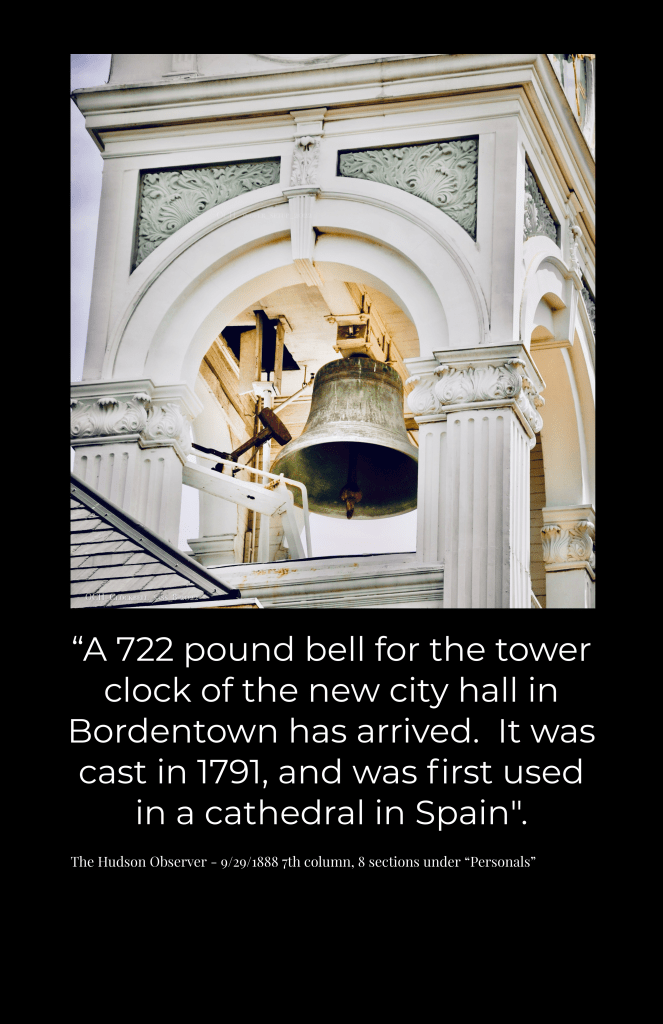
An excerpt from The Hudson Observer, dated September 29, 1888. While it provides historical context, it remains unconfirmed whether this account pertains specifically to the Old City Hall bell.
For more information, visit:
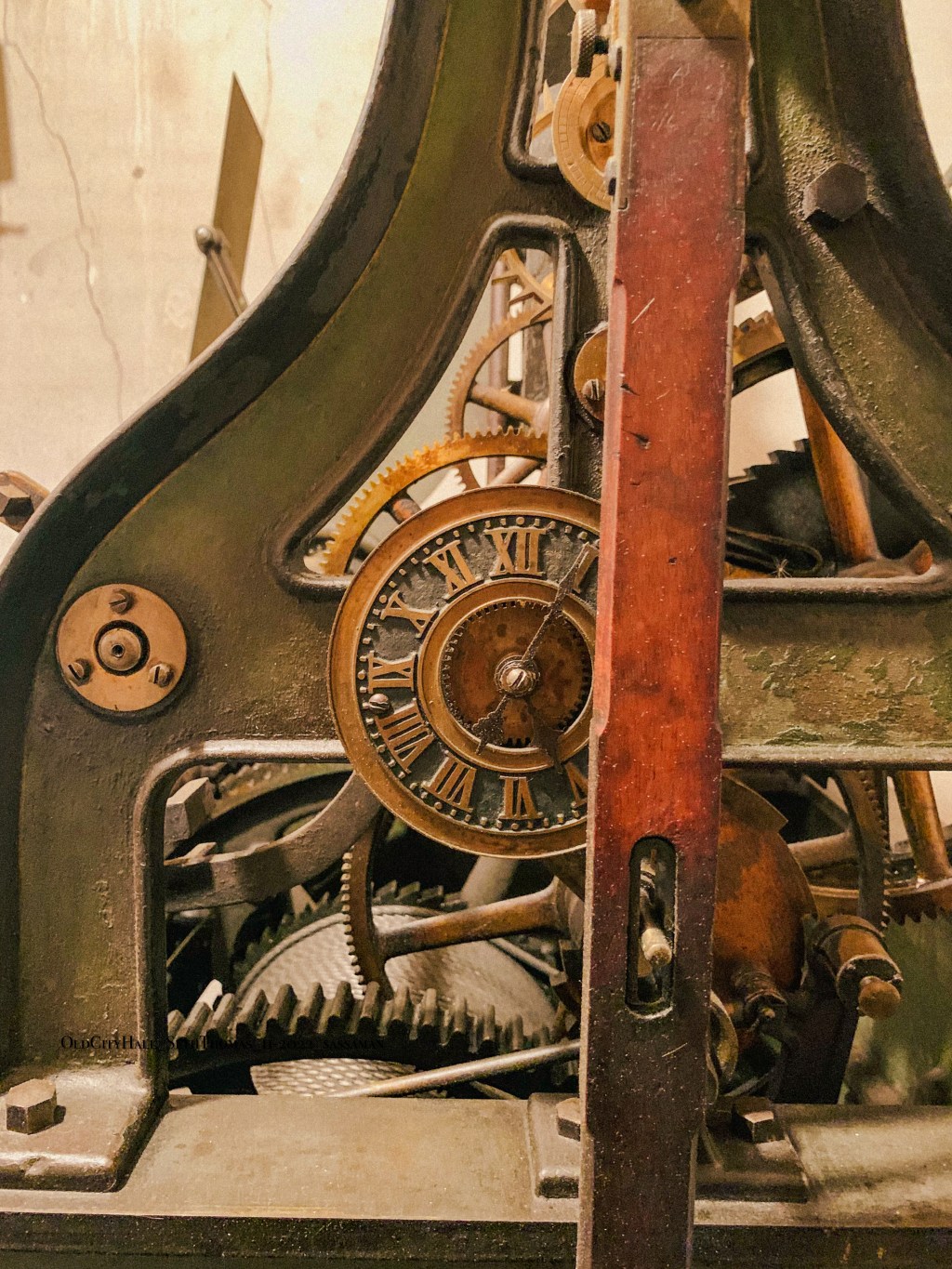
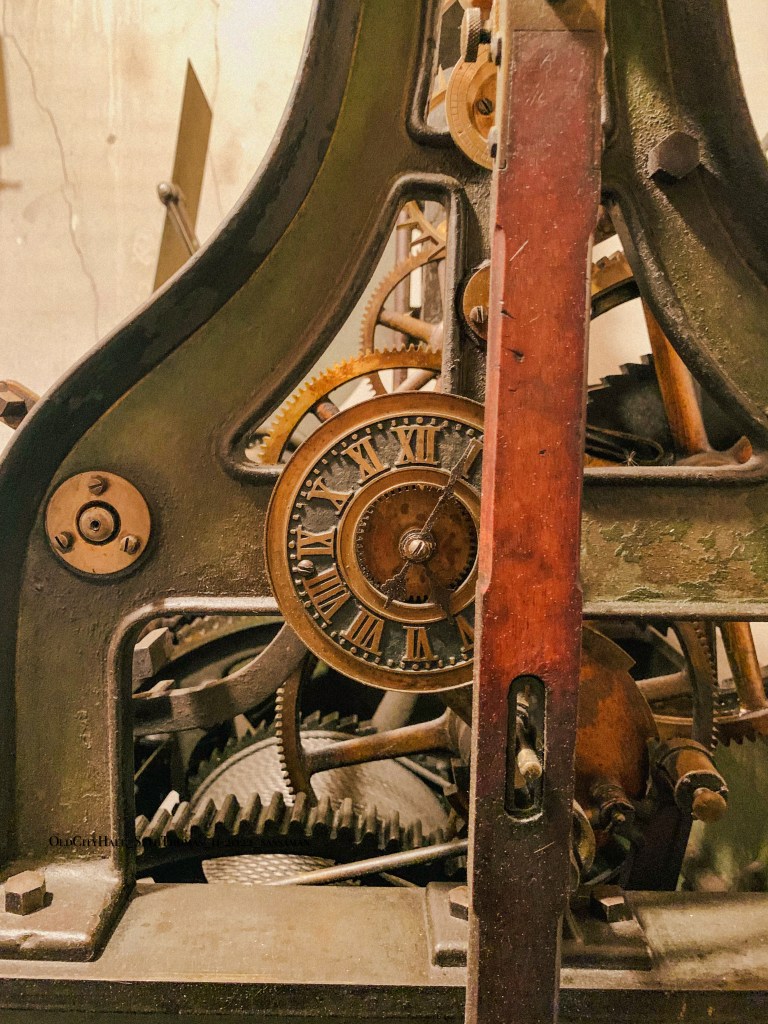
1888 Seth Thomas Tower Clock Mechanism by Michael Skelly.

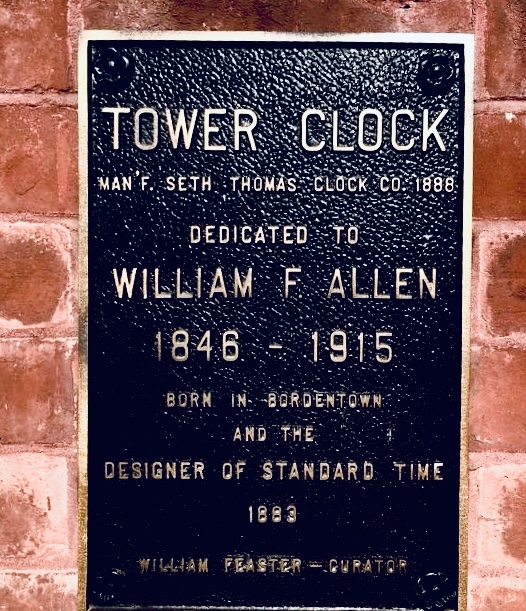
The clock and tower were erected to commemorate the establishment of standard time zones in the United States, a pivotal moment in timekeeping history.
Bordentown City, New Jersey, was home to the Camden and Amboy Railroad, the first passenger and freight railroad in the nation. This railroad was the birthplace of the famous John Bull engine, now housed in the Smithsonian Institution in Washington, D.C. Established by the Stevens family—who also founded Stevens Institute of Technology—the Camden and Amboy Railroad served as a vital land link between their steamship line in Amboy, New Jersey (across the Hudson River from New York City), and the ports of Camden, New Jersey, and Philadelphia, Pennsylvania.
Until the 1800s, each community operated on its own “local time,” typically based on the solar noon. With the advent of railroads, people could travel faster than the sun, creating a need for standardized timekeeping. This clock stands in honor of one of Bordentown’s own, whose work helped establish standard time in the United States.
The clock mechanism is housed within the tower, just below the open belfry. Cables running over pulleys extend from the mechanism, connecting to both the arm that strikes the bell on the hour and the large clock face above.
The 1888 Seth Thomas Tower Clock Mechanism is mounted on a stand above the floor, allowing space for its gears, weights, and related components.
The builder’s plate bears the inscription:
“Made by Seth Thomas Clock Co., Thomaston, Conn. U.S.A. September 1, 1888 (491) A. B.

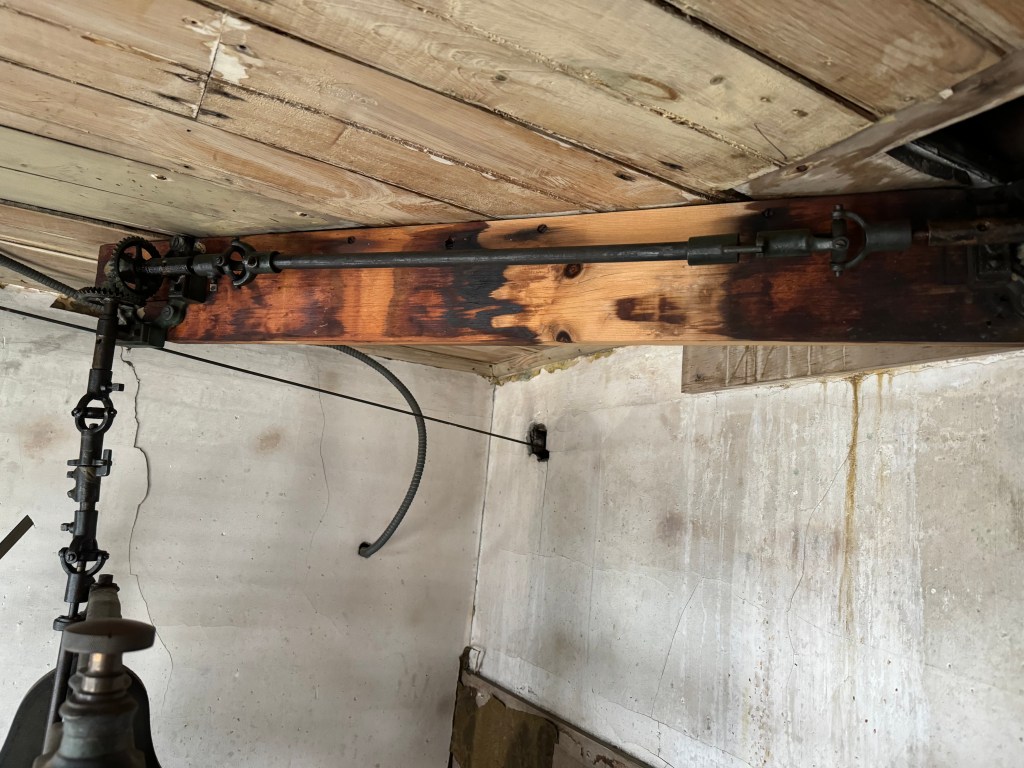
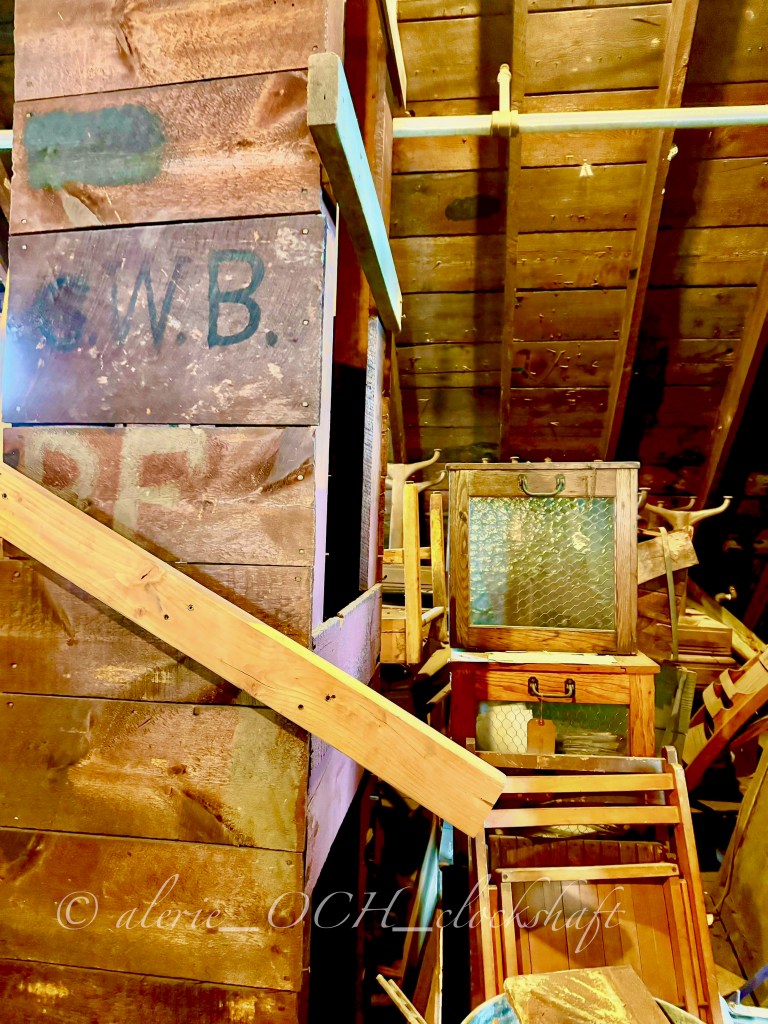
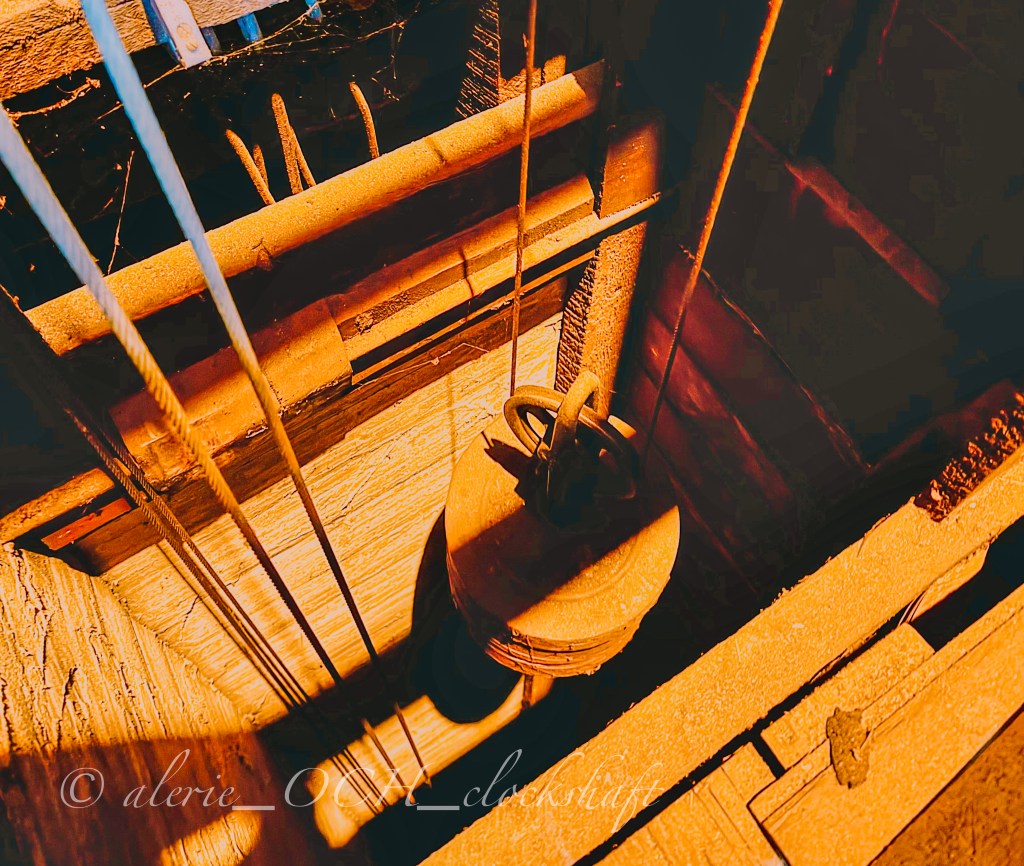
The area where the rope from the clock mechanism and bell descends through multiple floors is typically called the clock shaft.
Clock Shaft – A vertical passage designed to house the rope or cables connecting the clock mechanism to the weights and bell.
In historic buildings, this vertical passage is often an open or enclosed shaft running from the clockworks in the attic down to the weights (if present) in the basement, allowing for the smooth operation of the timekeeping and striking mechanisms.

 Old City Hall - Bordentown